
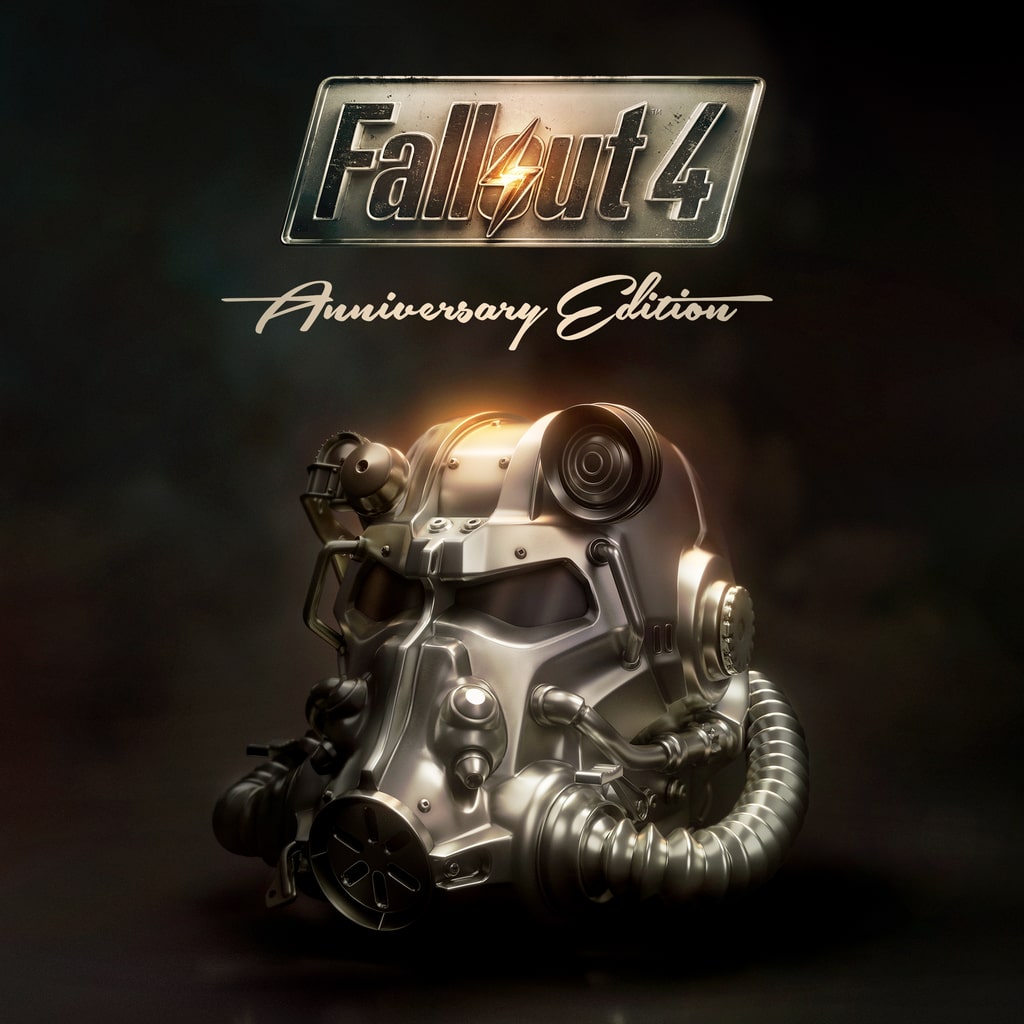
A decade after its original release reshaped modern open-world RPG design, Fallout 4 returns in what Bethesda calls its most complete form yet. The Anniversary Edition arrives today, February 24, 2026, as a launch-window showcase for the Nintendo Switch 2 — and notably marks the first time the Fallout series has officially appeared on a Nintendo platform.
This isn’t a simple port. Built around upgraded lighting systems, improved draw distances, and a massive bundle of included content, the Anniversary Edition packages the base game, all six expansions, over 150 Creation Club additions, and a new questline into one enormous post-apocalyptic sandbox. The result is less a rerelease and more a curated “final form” of Bethesda Game Studios’ most accessible RPG.
For newcomers, this is arguably the easiest entry point into the Fallout universe. For returning vault dwellers, the question becomes whether portability and enhancements meaningfully change a game many players already know by heart.
Surprisingly, the answer is often yes.
Story & Setting
Set in the irradiated ruins of Boston — known as the Commonwealth — Fallout 4 begins with one of the series’ strongest hooks. After witnessing the nuclear destruction of civilization and emerging from cryogenic stasis two centuries later, the Sole Survivor searches for their kidnapped son in a fractured world defined by competing ideologies.
Even ten years later, the narrative remains compelling largely because of its environmental storytelling. Every abandoned diner, collapsed highway, and ruined neighborhood tells its own quiet story. The Anniversary Edition doesn’t change the main plot structure, but the inclusion of DLC expansions dramatically enriches the overall narrative arc.
Far Harbor remains a standout, delivering morally complex storytelling that arguably surpasses the base game. Meanwhile, Nuka-World adds darker role-playing choices rarely seen elsewhere in the series.
The newly added “Beast Hunter” questline, exclusive to this edition, fits naturally into the world. Hunting a legendary Deathclaw feels like a classic Fallout side narrative — strange, dangerous, and tinged with dark humor — and the Revolving Shotgun reward is genuinely worth pursuing.
While some long-standing criticisms remain (dialogue choices can still feel simplified compared to earlier Fallout titles), the sheer density of storytelling makes exploration endlessly rewarding.
Gameplay
At its core, Fallout 4 blends first-person shooting with RPG progression, survival mechanics, and sandbox creativity — and this hybrid design holds up remarkably well in 2026.
Combat feels sharper thanks to improved performance on Switch 2. Gunplay, once criticized as clunky, now feels responsive at higher frame rates, especially in Performance Mode targeting 60 FPS. The iconic V.A.T.S. targeting system remains a highlight, slowing combat into tactical bursts that work beautifully in handheld play sessions.
The biggest differentiator remains settlement building. Players can construct towns, defenses, manufacturing lines, and fully customized homes across the Commonwealth. With over 150 Creation Club items active from the start, the system feels transformed. New building packs, weapons, and cosmetic options dramatically expand early experimentation.
However, this abundance comes with side effects: new players may feel overwhelmed by the sheer volume of quests and gear appearing almost immediately after leaving Vault 111.
Still, Bethesda’s gameplay loop — explore, loot, craft, upgrade, repeat — remains dangerously addictive.
Graphics & Art Direction
The Anniversary Edition introduces noticeable visual improvements compared to the 2015 console versions.
Lighting upgrades dramatically enhance nighttime exploration, interiors feel more atmospheric, and distant landmarks remain visible thanks to extended draw distances. The Commonwealth finally feels vast rather than fog-limited.
In handheld mode, visuals remain impressively sharp, with UI scaling tailored for the smaller screen. Character models still show their age in facial animations, but art direction carries the experience. Fallout’s retro-futuristic aesthetic — a blend of 1950s optimism and nuclear horror — remains instantly recognizable and deeply immersive.
This isn’t a full remake, but it’s easily the best the game has looked on console hardware without stepping into PC mod territory.
Sound & Music
Audio design continues to be one of Fallout’s defining strengths.
Ambient soundscapes sell the loneliness of the wasteland, from distant gunfire echoing across ruins to wind sweeping through skeletal buildings. Weapon audio has satisfying weight, and creature encounters remain tense thanks to directional sound design.
The radio soundtrack — mixing vintage American classics with in-universe broadcasts — remains unmatched in how it shapes tone. Wandering through radioactive storms while cheerful mid-century music plays is still uniquely Fallout.
Voice acting varies in quality, but standout companions and faction leaders deliver memorable performances that anchor emotional moments.
Performance & Technical State
Historically, Bethesda RPGs have struggled technically — making performance one of the biggest surprises here.
On Switch 2, Performance Mode targets 60 FPS and largely succeeds during exploration and combat. Minor dips occur during dense settlement builds or explosive-heavy encounters, but stability remains far stronger than past console launches.
Load times are significantly reduced, making portable play ideal for short sessions. Fast travel is quick enough that exploration never feels interrupted.
Bugs haven’t disappeared entirely — this is still Fallout — but crashes were rare during testing, and overall stability feels polished for such a massive game.
Replay Value & Content
Few RPGs offer this level of content density.
The complete expansion lineup alone adds dozens of hours, while Creation Club content introduces new quests, equipment, homes, and cosmetic variations that subtly reshape progression pacing.
Faction choices encourage multiple playthroughs, settlement experimentation can consume hundreds of hours, and survival mode provides an entirely different experience for veteran players.
Portable play transforms replayability even further. Fallout’s open structure fits handheld gaming exceptionally well — scavenging one location during a commute or managing settlements in short bursts feels natural.
Simply put, this is one of the largest single-player packages currently available on a Nintendo platform.
Pros & Cons
Pros
- ✔ Massive “definitive” package with all expansions included
- ✔ Strong 60 FPS performance on Switch 2
- ✔ Portable Fallout works surprisingly well
- ✔ 150+ Creation Club additions add meaningful variety
- ✔ Settlement building remains deeply engaging
Cons
- ✘ Dialogue system still feels simplified compared to earlier entries
- ✘ Early game can feel cluttered with quests and items
- ✘ Character animations show their age
- ✘ Occasional frame dips during large-scale chaos
Final Verdict
Fallout 4: Anniversary Edition on Nintendo Switch 2 represents more than a rerelease — it’s a symbolic moment for both Bethesda and Nintendo audiences. Bringing one of gaming’s most influential open-world RPGs to a hybrid console for the first time feels overdue, yet the execution largely justifies the wait.
What makes this version special isn’t just portability; it’s completeness. By combining every expansion, an enormous library of Creation Club content, technical improvements, and a new questline, Bethesda has effectively delivered the most accessible and content-rich version of Fallout 4 ever released on console.
The Switch 2 hardware proves capable of handling Bethesda’s sprawling systems without major compromise, and the handheld experience subtly changes how the game is played. Fallout becomes less of a marathon session and more of an ongoing wasteland journey you dip into daily — scavenging, crafting, and exploring whenever time allows.
Yes, some design elements remain products of 2015. Dialogue limitations and aging animations remind players this isn’t a modern remake. But the strength of exploration, player freedom, and environmental storytelling still outweigh those flaws.
For newcomers, this is an essential RPG. For returning players, it’s a compelling excuse to step back into the Commonwealth — now literally in your hands.













[…] marks Bethesda Game Studios’ first entirely new universe since The Elder Scrolls V: Skyrim and Fallout 4, and it arrives not merely as another RPG but as a statement of ambition. Now, with its 2026 […]