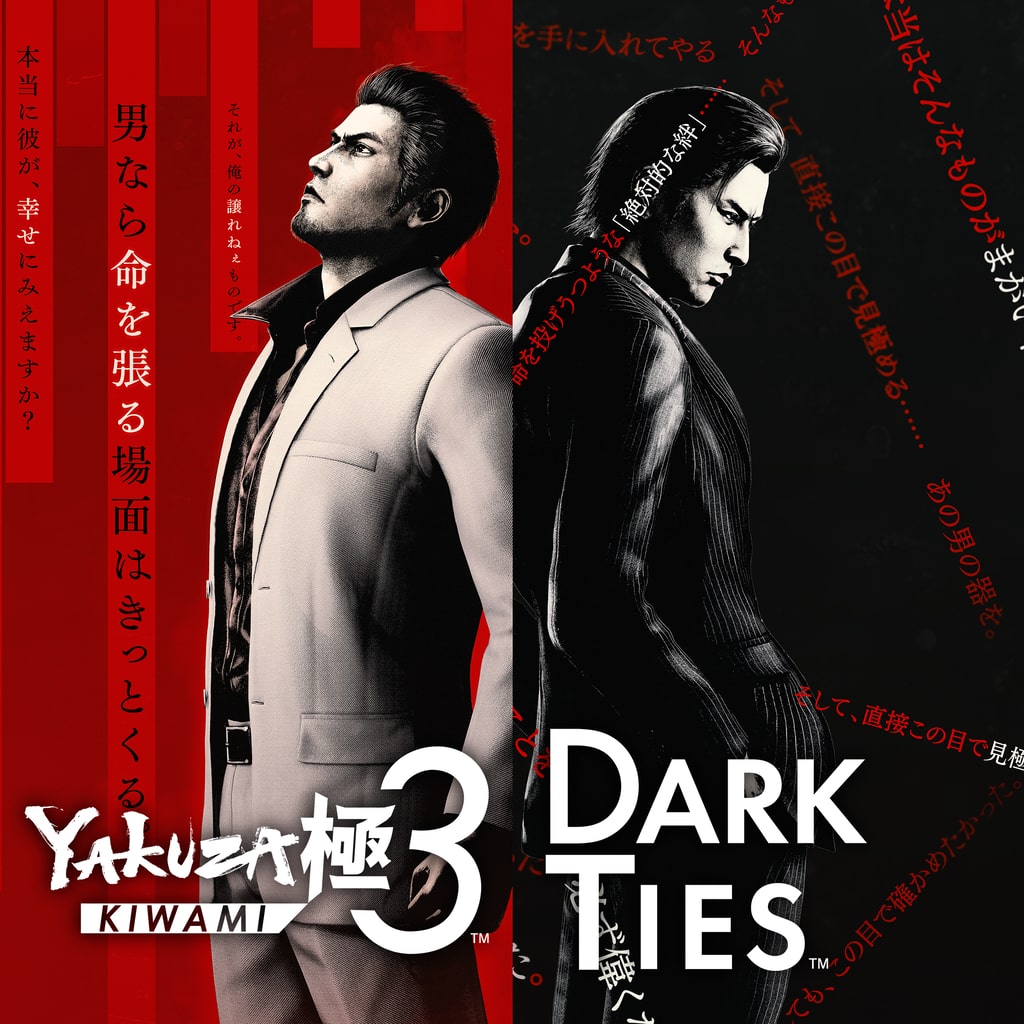
Today marks the arrival of one of RGG Studio’s most anticipated releases in years: Yakuza Kiwami 3 & Dark Ties, launching February 12, 2026 (with PC players gaining early access via Steam on February 11). Available on PlayStation 5, PlayStation 4, Xbox Series X|S, and Nintendo Switch 2, this two-in-one package revisits a divisive chapter of the saga while daring to reframe its most enigmatic antagonist.
With RGG Studio head Masayoshi Yokoyama confirming that this will be the final entry in the “Kiwami” line, expectations were sky-high. What we’ve received isn’t just a remake — it’s a recontextualization.
Yakuza Kiwami 3 – A Tropical Warzone Reborn
The original Yakuza 3 was long considered the most uneven entry in the Kiryu saga. Its slower pacing, early-PS3 combat stiffness, and heavy emphasis on orphanage life divided fans. But Yakuza Kiwami 3 doesn’t just modernize—it transforms.
Returning once again as Kazuma Kiryu, players step into a story defined by responsibility rather than ambition. The Morning Glory orphanage in Okinawa is no longer a pacing speed bump; it’s the emotional backbone. Expanded cutscenes and additional character moments deepen Kiryu’s bond with the children, making his protective instincts feel earned rather than obligatory.
The visual overhaul is striking. Okinawa’s sun-soaked beaches contrast beautifully with Kamurocho’s neon density. The Dragon Engine upgrade breathes life into side streets, interiors, and dynamic weather effects. NPC routines feel richer, storefronts more tactile, and the once-static environments now pulse with energy.
Combat: From Clunky to Crushing
Combat has been dramatically reimagined. The original’s notorious enemy blocking has been replaced with a fluid guard-break system, enhanced Heat Actions, and tighter hit detection. Kiryu feels heavier yet more responsive. His fighting styles blend old-school Dragon techniques with subtle refinements borrowed from later entries in the series.
Boss encounters are no longer endurance tests—they’re cinematic duels. The emotional stakes feel amplified, especially in climactic fights that now benefit from dynamic camera framing and improved choreography.
Side Content and Substories
Side missions have been expanded, some rewritten entirely. Mini-games return in abundance, but what stands out is the integration of Okinawa’s culture. Fishing, beach activities, and local community requests feel less like distractions and more like extensions of Kiryu’s new life.
Most importantly, the pacing adjustments streamline the political exposition that bogged down the 2009 release. The conspiracy elements land harder, and the emotional crescendos hit with clarity.
Dark Ties – The Rise of Yoshitaka Mine
If Kiwami 3 is redemption, Dark Ties is revelation.
Starring Yoshitaka Mine, this brand-new side campaign reframes one of the series’ most complex antagonists. Once a successful entrepreneur, Mine’s descent into the Tojo Clan’s upper ranks is portrayed not as villainy—but as a desperate search for belonging.
This standalone campaign is more than a bonus; it’s a narrative counterweight to Kiryu’s journey.
Boxing-Based Combat
Mine’s fighting style is radically different. Instead of street brawling, he employs precision boxing techniques—tight footwork, devastating counters, and rhythm-based combo strings. It feels faster and more aggressive than Kiryu’s style, rewarding patience and timing over brute force.
RGG Studio smartly differentiates the feel: Mine’s Heat Actions are surgical and brutal, emphasizing efficiency rather than spectacle.
Narrative Depth
Dark Ties shines in its writing. Mine’s internal emptiness and obsession with “true bonds” are given context through new characters, business flashbacks, and Tojo Clan politics. Scenes that once framed him as cold now reveal vulnerability.
Thematically, the campaign explores chosen family versus imposed loyalty. Kiryu protects bonds he built. Mine chases bonds he fears he’ll never truly have.
The emotional convergence between both men’s arcs is powerful without feeling forced. By the end, Mine is no longer just a tragic antagonist—he’s a parallel.
Performance & Platform Notes
Across PS5 and Xbox Series X|S, performance is stable at 60 FPS with high-resolution textures and improved lighting. Nintendo Switch 2 delivers a surprisingly solid experience, though with modest visual compromises. Steam players benefited from the early unlock, and the PC version supports ultra-wide monitors and customizable graphics options.
Load times are minimal across modern hardware, and transitions between exploration and combat feel seamless.
The End of the Kiwami Era
With Ryu Ga Gotoku Studio closing the Kiwami chapter, this release feels deliberate. It doesn’t simply revisit old ground—it reframes it. The remake addresses long-standing criticisms while honoring the core themes that made the story resonate.
Future remakes may take a different creative direction, but if this is the Kiwami line’s finale, it’s a confident curtain call.
Final Verdict
Yakuza Kiwami 3 & Dark Ties is more than a nostalgic revisit—it’s a reclamation project.
Kiwami 3 transforms one of the franchise’s most debated entries into a confident, emotionally resonant chapter. Combat improvements, pacing refinements, and expanded character moments elevate it far beyond a graphical upgrade.
Dark Ties, meanwhile, is the surprise triumph. Yoshitaka Mine’s story adds texture and tragedy to a character long misunderstood, and its boxing-based combat injects fresh energy into the formula.
Not every addition lands perfectly—some substories still lean toward the absurd, and the political narrative can occasionally overwhelm—but the package feels generous and purposeful.
This isn’t just a remake collection. It’s a thematic exploration of bonds, ambition, and the fragile line between hero and antagonist.