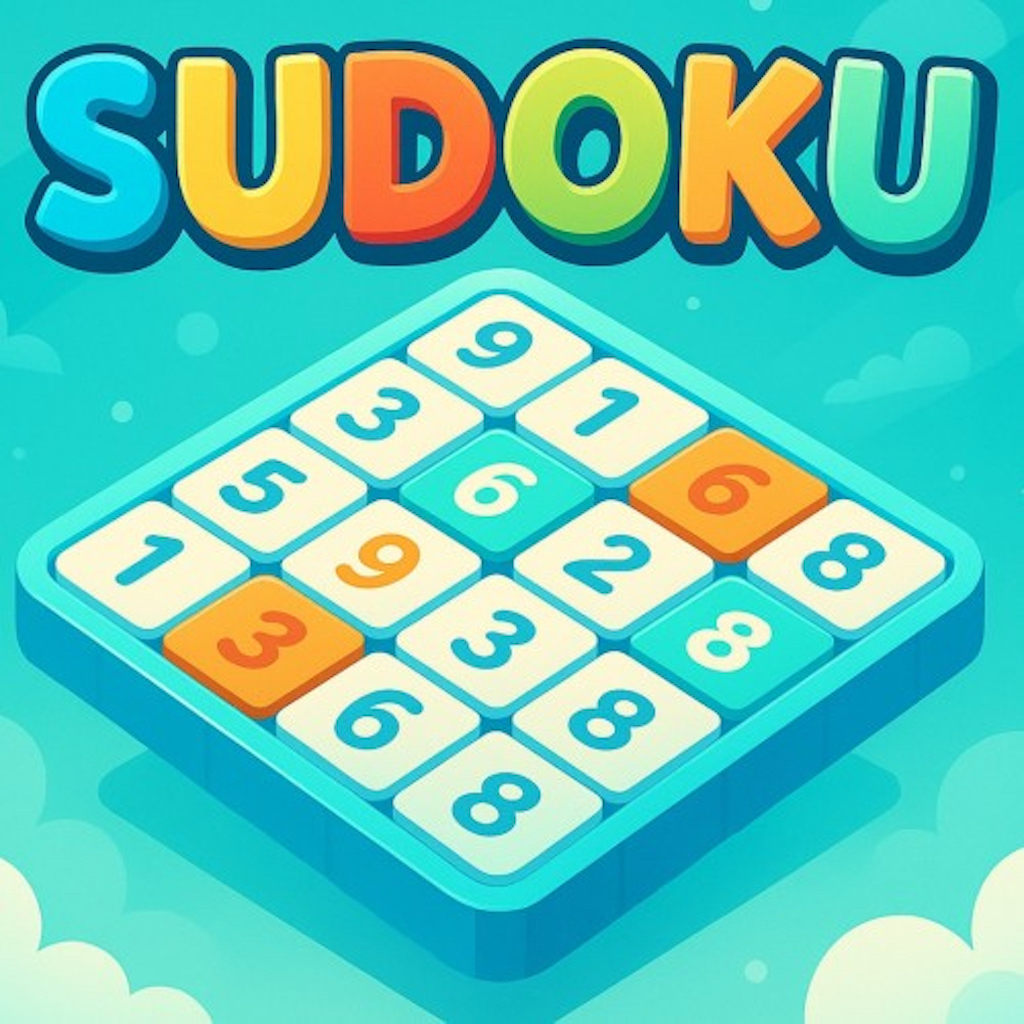
It’s remarkable how enduring Sudoku remains. Decades after gracing newspapers and handheld consoles, its simple rules and deep logical challenge still draw players seeking a mental workout. Sudoku by Sabec aims to take that timeless experience onto the Nintendo Switch with a portable tile of number logic that’s as satisfying as filling in a perfectly balanced grid. But does it manage to elevate the format, or does it feel like just another digital implementation? After spending significant time with it, the answer lands somewhere comfortably in its niche: familiar and dependable, with enough polish to justify its place on your Switch dock or in your hands during a commute.
Core Gameplay and Mechanics
At its heart, Sudoku by Sabec is faithful to the original puzzle’s rules: fill a 9×9 grid so that every row, column, and 3×3 sub‑grid contains all digits from 1 through 9 exactly once. No more, no less. What makes the experience work so well on Switch isn’t a reinvention of these rules but a thoughtful translation of them into a digital format that emphasises comfort, clarity, and player choice.
The game offers a robust selection of grids across four difficulty tiers: Easy, Medium, Hard, and Expert. This range ensures that it’s welcoming for absolute beginners while offering genuine challenge for seasoned solvers. Puzzles are generated with variety in mind, so you’re seldom replaying variations on the same pattern.
Controls feel intuitive whether you’re playing docked, tabletop, or handheld. Cursor movement, number placement, and note‑taking are all smooth and responsive. The touchscreen integration feels especially natural; tapping cells, selecting pencil marks, and navigating menus with the Joy‑Con or on the screen doesn’t feel clunky at any point — a testament to Sabec’s attention to detail in tailoring the classic formula to modern hardware.
Visuals and Interface
There’s a quiet beauty to well‑designed puzzles: a clean grid, clear typography, and minimal distractions. Sabec nails this aesthetic. The grid is crisp and highly readable, with excellent use of contrast to help digits stand out without glaring or washing out over time. Background themes are subtle and pleasing, allowing players to focus entirely on logic rather than visual noise.
Colour‑coded highlights — for current row, column, or selected digits — are helpful without being intrusive. Simultaneously, the interface offers clear indicators for errors, pencil marks, and progress on a puzzle. Keeping track of notes in pencil mark mode is a breeze, with colour choices that are easy on the eyes and adaptable for all sorts of display settings.
The menu design is clean and efficient. Jumping between difficulty levels, puzzle histories, and customisation settings is intuitive. There’s little distraction from the core gameplay, which is exactly where Sabec’s design shines.
Features and Quality of Life
Where Sudoku by Sabec truly earns its place as more than a bare‑bones Sudoku port is in its quality‑of‑life features. In addition to a large puzzle pool and difficulty range, Sabec includes:
Hint System:
A gentle hint system helps players stuck on a tricky square. Hints don’t solve puzzles for you but highlight promising cells or suggest potential placements — perfect for learning rather than leaning.
Error Highlighting (Optional):
Players can toggle error warnings for those who want stricter logic practice or disable them if they prefer to test themselves without visual cues.
Pencil Marks:
Auto‑pencil functionality and custom note colours let you manage candidates with ease — a huge boost for larger grids and more complex logic deductions.
Custom Challenges:
Beyond standard puzzles, the game occasionally features time challenges and daily puzzles to keep the routine fresh and reward repeat play.
Statistics & Tracking:
Your solve times, longest streaks, and personal bests are all tracked neatly. For completionists or competitive players, this adds replay value and a sense of progression beyond the puzzles themselves.
Multiplayer (“Friendly Challenge”):
While there’s no online matchmaking, Sudoku by Sabec includes local competitive modes where players can race to finish the same grid faster. It’s simple but adds a social spark, especially on a single Switch shared between friends or family.
Difficulty and Learning Curve
One of the game’s greatest strengths is how it scales difficulty. Chaotic novices and seasoned solvers alike can find satisfying challenges:
- Easy mode is a great learning tool, with puzzles that build confidence and teach fundamentals.
- Medium and Hard levels start demanding logical deductions that require attention and strategy.
- Expert mode isn’t just about filling empty squares; it requires pattern foresight and technique beyond casual observation.
Unlike some digital Sudoku collections that pad difficulty with random puzzles, Sabec’s grids feel intentionally composed. They reward logical thinking, pattern recognition, and — in expert tiers — advanced techniques like X‑Wing, Swordfish, and chain reasoning. For players who enjoy not just completing but mastering puzzles, the challenge is genuine.
The learning curve is smooth thanks to the optional hint system and error toggles. Beginning players can start without fear and gradually switch off assistance as confidence grows. This flexibility makes the game appealing across skill levels.
Audio and Mood
Sudoku doesn’t need a bombastic soundtrack, and this game respects that. The audio design is quiet, unobtrusive, and supportive of deep thought:
- A light ambient soundtrack offers soft melodies that reduce tension rather than distract.
- Button sounds and feedback clicks are gentle and satisfyingly tactile.
- There’s no forced urgency — the ambiance suits thinkers, not racers.
The sound design underlines the game’s intention: focus and calm logic over frantic action.
Strengths
- Intuitive Controls: Great in both handheld and docked modes, with responsive touch and button inputs.
- Quality‑of‑Life Features: Auto‑notes, customisation, statistics tracking, and helpful hints broaden appeal.
- Balanced Challenge: A true range from beginner to expert, with meaningful difficulty scaling.
- Clean Design: Excellent readability and soothing visuals support long play sessions.
- Replay Incentives: Local competitive modes and daily puzzles add effective variety.
Weaknesses
- Online Multiplayer Missing: A lack of online leaderboards or asynchronous competition feels like a missed opportunity.
- No Narrative or Progression Loop: While not expected in a Sudoku game, players seeking story or meta‑objectives may find the experience purely functional.
- Limited Audio Depth: Pleasant but minimal sound design might feel too sparse for players who desire more atmospheric audio depth.
Overall Experience
Sudoku by Sabec doesn’t try to reinvent a timeless classic. Instead, it excels by respecting the fundamental appeal of Sudoku — logic, clarity, and satisfaction — and delivering it with polish and modern convenience. Each puzzle feels fair, every control feels natural, and the game’s supportive systems make it an easy pick for beginners and seasoned players alike.
On the Nintendo Switch, its portability elevates it further: quick puzzles on the couch, long sessions in handheld mode, or a friendly race against another player on a shared screen — the game adapts beautifully to various playstyles.
Whether you’re a lifelong fan of number puzzles or just curious to dip your toes into logical challenge territory, Sudoku by Sabec earns a strong recommendation.
Final Verdict
Sudoku by Sabec is one of the best digital Sudoku experiences on Nintendo Switch. With thoughtful design, flexible difficulty options, and quality‑of‑life features that respect both novice and expert players, it’s an engaging, relaxing, and satisfyingly cerebral title that deserves a spot in any puzzle lover’s library.