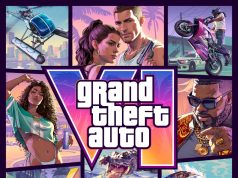
There is something strangely satisfying about driving nowhere in a Grand Theft Auto game.
You pick a destination, get into a car and start moving. Ten minutes later, you have completely forgotten where you were supposed to be going because something caught your attention. A strange vehicle passes by. A police chase unfolds at an intersection. You hear something on the radio. A road leads somewhere you have never been before. Suddenly, the journey has become the story.
That feeling could be one of GTA VI’s greatest strengths.
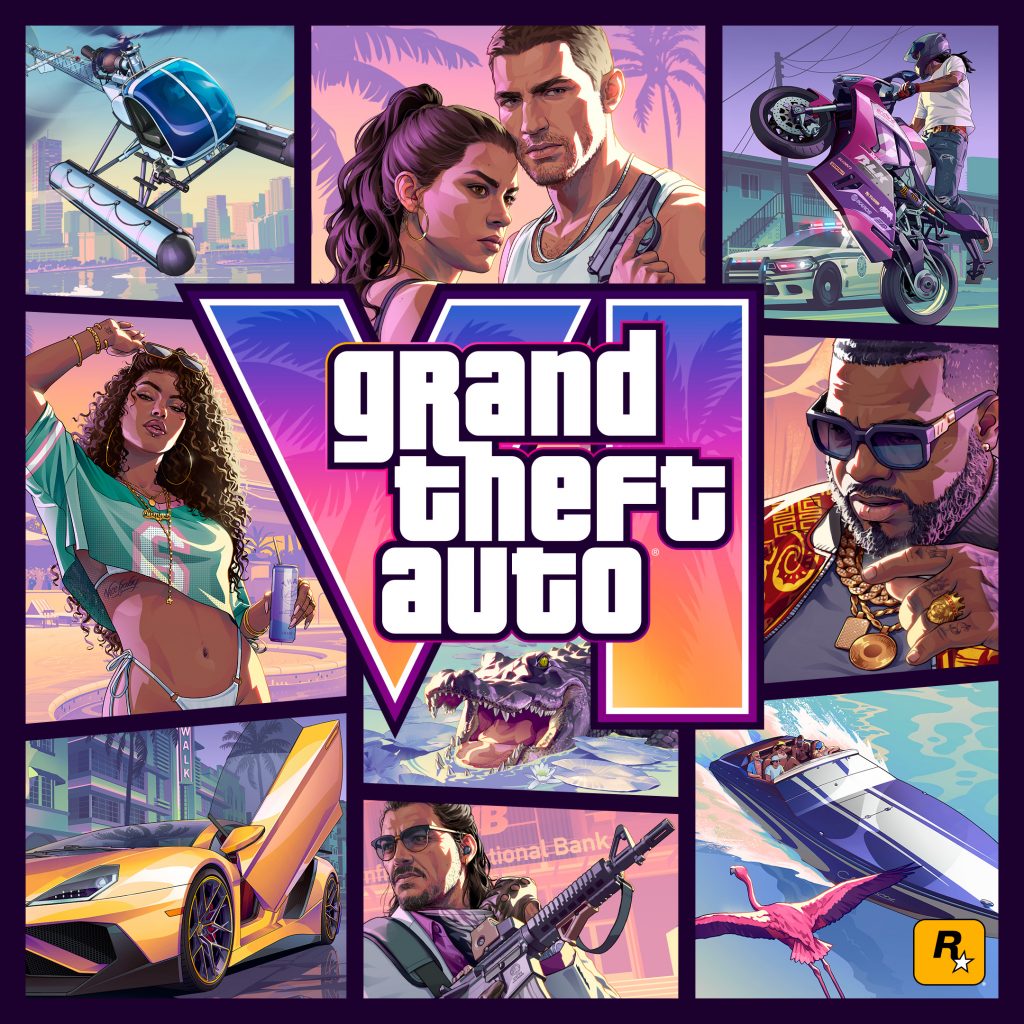
Rockstar has already described Leonida as the setting for what it calls the biggest and most immersive evolution of the Grand Theft Auto series, with Vice City at its centre and a much wider world surrounding it. Official material now shows locations including the Leonida Keys, Port Gellhorn, Ambrosia, Grassrivers and Mount Kalaga National Park, suggesting that getting from one part of the state to another could be just as important as what players actually do when they arrive.
The Journey Has Always Mattered
One of the secrets behind Rockstar’s open worlds is that the road between two objectives is rarely just dead space.
In many games, travelling to a mission is simply something you have to tolerate. You select a waypoint, follow the line and wait until the destination appears. Grand Theft Auto has always had a slightly different philosophy. The journey itself is an opportunity for something to happen.
GTA VI has the chance to take that idea considerably further.
Leonida appears designed around variety. Vice City offers dense urban environments, while the wider state opens out into coastal areas, smaller communities, wetlands and wilderness. Rockstar’s official imagery already highlights several distinct regions beyond the city, giving the impression that the map has been designed around different kinds of travel rather than one enormous urban sprawl.
A Map You Want to Drive Across
A large map is not automatically an impressive map.
If travelling from one side to another simply means spending fifteen minutes staring at a motorway, size quickly becomes meaningless. The real test is whether the player keeps discovering reasons to stop.
That is where GTA VI could excel.
Imagine leaving Vice City and watching the environment gradually change around you. The skyscrapers disappear in the rear-view mirror. Buildings become less frequent. Traffic thins out. The roads become wider or more isolated. Eventually, the landscape feels completely different.
You have not entered another level.
You have simply driven somewhere else.
The Roads Should Tell Their Own Stories
Road design can do far more than connect locations.
A winding rural road immediately tells you something different about the world than a six-lane city boulevard. A narrow road through a wetland creates another feeling entirely. A busy highway tells you that people are constantly moving through the region, while a forgotten back road suggests somewhere more isolated.
Rockstar understands environmental storytelling better than most developers, and roads are one of the easiest places to apply it.
The road itself can tell you where you are.
Traffic Should Feel Like Part of the World
Traffic is one of those systems players often take for granted.
When it works, you barely notice it.
When it does not, the entire world feels artificial.
GTA VI could make traffic more interesting simply by giving different regions their own patterns. Vice City should feel busy and crowded. Industrial areas should have different vehicles and movement. Rural roads could be quieter. Tourist destinations might suddenly become congested.
The player would begin to understand Leonida through its traffic before even learning every location by name.
Rush Hour Could Change Familiar Routes
Imagine discovering that the road you normally use is completely different during the morning rush.
You leave Jason’s home.
The traffic is already building.
A major junction is almost impossible to cross.
You could sit in the queue, or you could take a longer route through a quieter neighbourhood.
That creates a tiny decision.
But those tiny decisions are what make open worlds feel interactive.
Roadworks, Accidents and Disruption
The roads should not always behave perfectly.
An accident could block a lane.
Police could close an intersection.
Construction could redirect traffic.
A broken down vehicle could create a queue.
A storm could make certain roads difficult to use.
None of these things need to happen constantly. In fact, they probably should not.
The important thing is that the player occasionally encounters something unexpected.
The Best Random Events Are the Ones You Never Expect
This connects naturally with the broader systems Rockstar appears to be building around Leonida.
A journey could begin normally and then suddenly become something else.
You see a group of people arguing.
A vehicle speeds past.
A police car turns the corner.
Someone runs across the road.
A crash happens ahead.
You slow down to see what is happening.
Maybe you get involved.
Maybe you drive around it.
Maybe you never find out what caused it.
That uncertainty makes the world feel independent of you.
Not Everything Needs to Become a Mission
This is perhaps the most important part.
Rockstar should resist the temptation to turn every interesting roadside event into a mission marker.
Sometimes a car crash should just be a car crash.
Sometimes an argument should remain an argument.
Sometimes you should drive past something strange and never discover its explanation.
That makes the world feel less like a theme park designed exclusively for the player.
Back Roads Could Become the Real Discoveries
The main roads will naturally receive attention.
Players need reliable ways to move between major locations.
But the back roads are where exploration can become interesting.
A small road disappearing into the countryside immediately creates curiosity.
Where does it go?
What is at the end?
Does it connect to another road?
Is there a house nearby?
Is there a business?
Is it simply a beautiful place to drive?
The game does not need to answer every question.
The question itself is enough.
The Joy of Getting Lost
There is something that modern open world design sometimes forgets.
Getting lost can be fun.
GPS systems and minimaps have made navigation almost effortless, but there is still value in occasionally not knowing exactly where you are.
GTA VI could encourage players to look at the world rather than constantly looking at an interface.
A distinctive building.
A water tower.
A bridge.
A mountain.
The skyline of Vice City.
These landmarks could become natural navigation tools.
Vice City Should Always Be Somewhere on the Horizon
One of the most exciting possibilities with Leonida is the relationship between the city and the surrounding world.
Even when you are outside Vice City, the city should occasionally remind you that it is there.
You might see the skyline in the distance.
A radio station might mention an event happening downtown.
Traffic could become heavier as you approach the city.
The environment gradually changes.
The player starts to understand where they are without needing a map.
Highways Should Have Personality
Highways are often the least interesting part of an open world.
They should not be.
A good highway can provide a sense of scale.
You can watch the world rushing past.
You can see distant buildings.
You pass exits leading towards places you have never visited.
You see trucks, sports cars, family vehicles and battered old cars sharing the same road.
The highway becomes a moving snapshot of Leonida.
Bridges Can Create Memorable Moments
Bridges are particularly useful in a game like GTA VI because they provide natural transitions between environments.
Crossing one could take you from the city towards the countryside.
Another might carry you over wetlands.
A coastal bridge could provide a spectacular view of the ocean.
Rockstar could use these moments to give players visual reminders that Leonida is a connected place rather than a collection of separate areas.
Weather Could Transform the Roads
A road during bright sunshine should not feel identical to the same road during a storm.
Rain changes visibility.
It changes the appearance of the asphalt.
It changes reflections.
It changes traffic behaviour.
It changes the atmosphere.
Suddenly, a familiar route feels different.
Rockstar’s official presentation of Leonida already places significant emphasis on its varied environments, and weather could be one of the systems that binds those environments together.
Night Driving Could Be a Completely Different Experience
Vice City after dark should obviously be spectacular.
But driving outside the city at night could be just as interesting.
Street lighting becomes less common.
Headlights become more important.
The horizon becomes darker.
You might see illuminated buildings in the distance.
A vehicle approaches from behind.
Wildlife appears near the roadside.
The road feels more isolated.
Nothing dramatic needs to happen.
The atmosphere does the work.
Radio Makes the Journey Personal
This is where the classic Grand Theft Auto formula becomes particularly powerful.
The radio turns travelling into an experience.
You are not simply driving through the world.
You are listening to music.
You are hearing advertisements.
You are listening to conversations.
You are absorbing Rockstar’s satire.
You are hearing stories about the world you are currently travelling through.
The result is that the player can spend long periods simply driving without feeling that they are wasting time.
The Radio Could React to the World
GTA VI could push that relationship further.
Imagine hearing about a major event that happened shortly after you witnessed it.
Or hearing a presenter discuss something happening in another part of Leonida.
Or listening to a local story while physically travelling towards the place being discussed.
That would make the radio feel like part of the world rather than a soundtrack layered over it.
Different Regions Should Sound Different
The audio environment should change as the landscape changes.
Vice City should be loud.
Traffic.
Music.
People.
Construction.
Advertising.
Sirens.
The countryside should be quieter.
Wind.
Wildlife.
Distant vehicles.
Farm machinery.
Water.
The difference between those environments could make travelling feel even more dramatic.
Rural Roads Could Slow the Game Down
Not every part of GTA VI needs to be frantic.
That is one of the reasons the countryside could be so important.
After spending an hour in Vice City, driving through a quiet rural area could feel almost therapeutic.
The road stretches ahead.
The sun is setting.
The radio is playing.
There is very little traffic.
You are not being chased.
You are not completing a mission.
You are simply driving.
That can be one of the most memorable experiences an open world can provide.
Then Rockstar Can Ruin Your Peace
And that is where the unpredictability comes in.
A quiet journey can suddenly become chaotic.
Someone cuts across the road.
A police chase comes flying past.
A vehicle crashes.
A stranger approaches you.
You spot something unusual.
The beauty of this approach is that the game does not need to force the moment.
It simply needs to make the world capable of producing it.
Travel Could Become Part of Criminal Strategy
The roads also matter because Jason and Lucia are criminals.
Travel is not simply sightseeing.
They need to move.
They need to transport people.
They need to reach targets.
They need to escape police.
They need to meet contacts.
They need to move through unfamiliar areas.
The road network therefore becomes part of the criminal gameplay.
Rockstar’s official story description already places Jason and Lucia within a criminal conspiracy stretching across Leonida, meaning the wider geography is likely to matter to their story rather than existing solely as scenery around Vice City.
Knowing the Roads Could Become a Skill
Imagine playing GTA VI for dozens of hours.
Eventually, you know the roads.
You know which bridge gets congested.
You know which back road cuts through the countryside.
You know where you can disappear after a police chase.
You know which route gets you into Vice City fastest.
That knowledge creates something valuable.
Mastery.
The map stops being a picture on a screen and becomes a place you understand.
Escape Routes Could Become Stories
One of the best uses of a detailed road network would be during criminal activity.
You commit a robbery.
The police arrive.
You escape.
The obvious route is blocked.
You take a side road.
You cut through an industrial area.
You emerge onto another highway.
You see a bridge.
You make a split second decision.
None of this has to be scripted.
The road network itself creates the story.
The Best Maps Create Memories
Ask someone about their favourite moments in a Rockstar game and they often will not mention a specific mission.
They might remember driving across the map at sunrise.
Getting chased through a particular neighbourhood.
Finding a strange road in the middle of nowhere.
Driving a stolen car across a bridge.
Getting lost and discovering somewhere unexpected.
Those moments happen because the world gives players room to create them.
Leonida Needs Variety, Not Just Size
Rockstar has a huge responsibility with GTA VI because expectations around open world games have changed.
Players have seen enormous maps before.
They have seen impressive graphics.
They have seen detailed cities.
What matters now is what those spaces actually make us feel.
Leonida does not need to be remembered simply as a huge map.
It needs to be remembered as a place.
Every Road Should Have a Reason to Exist
That does not mean every road needs a secret.
It means the roads should feel connected to the world.
A rural road should lead somewhere believable.
An industrial road should serve industry.
A coastal route should reflect the geography.
A city street should fit the neighbourhood around it.
The player should be able to look at the road and understand why it exists.
The Road Can Be the Content
This is ultimately what could make GTA VI’s travelling so special.
The journey itself can become content.
You do not need a mission.
You do not need a collectible.
You do not need a marker.
You simply need a world that makes you curious enough to keep moving.
That is a much harder achievement than filling a map with activities.
A World That Encourages Detours
The greatest compliment you can give an open world is that it makes you abandon your plans.
You set out for a mission.
You notice something.
You take a detour.
That detour leads somewhere else.
You find another road.
You see another location.
Suddenly, an hour has passed.
GTA VI could be built around that exact feeling.
The Journey Between the Moments
Rockstar has always understood that the spaces between major events matter.
The quiet drive before a robbery.
The journey home after a difficult mission.
The trip to meet a contact.
The long ride back into Vice City.
These moments allow the player to breathe.
They give the world room to exist.
And they create the contrast that makes the action more exciting when it finally arrives.
Leonida Should Feel Bigger Than Its Map
This is the real opportunity.
Rockstar does not need to make every road enormous.
It needs to make every journey feel meaningful.
A ten minute drive through a constantly changing environment can feel larger than a twenty minute trip across an empty landscape.
Scale is not just measured in miles.
It is measured in experiences.
The Road Ahead
GTA VI is currently scheduled to arrive on 19 November 2026 for PlayStation 5 and Xbox Series X|S, giving Rockstar more time to polish what it is positioning as the next major evolution of the series.
When that day finally comes, players will probably rush towards Vice City first.
They will want to see the neon.
They will want to meet Jason and Lucia.
They will want to discover the big missions.
But eventually, the excitement will settle.
The player will get into a car, choose a direction and start driving.
That may be when GTA VI truly begins to reveal itself.
Because the most impressive thing about Leonida might not be what happens when you arrive somewhere.
It might be everything that happens while you are getting there.
If Rockstar can make the roads feel unpredictable, purposeful and alive, then every journey becomes an opportunity. A short trip can become a police chase. A wrong turn can reveal an entire community. A quiet drive can become a moment of reflection. A familiar route can suddenly feel different because the weather has changed or something unexpected has happened ahead.
That is how an open world becomes more than a map.
It becomes somewhere you remember.
And if GTA VI succeeds at that, Leonida’s greatest adventures may not begin with a mission marker at all.
They may begin with the simple decision to turn left instead of right.
Next Feature: GTA VI Feature No. 44 – The Rural World of Leonida: Why GTA VI’s Small Towns Could Be Just as Important as Vice City