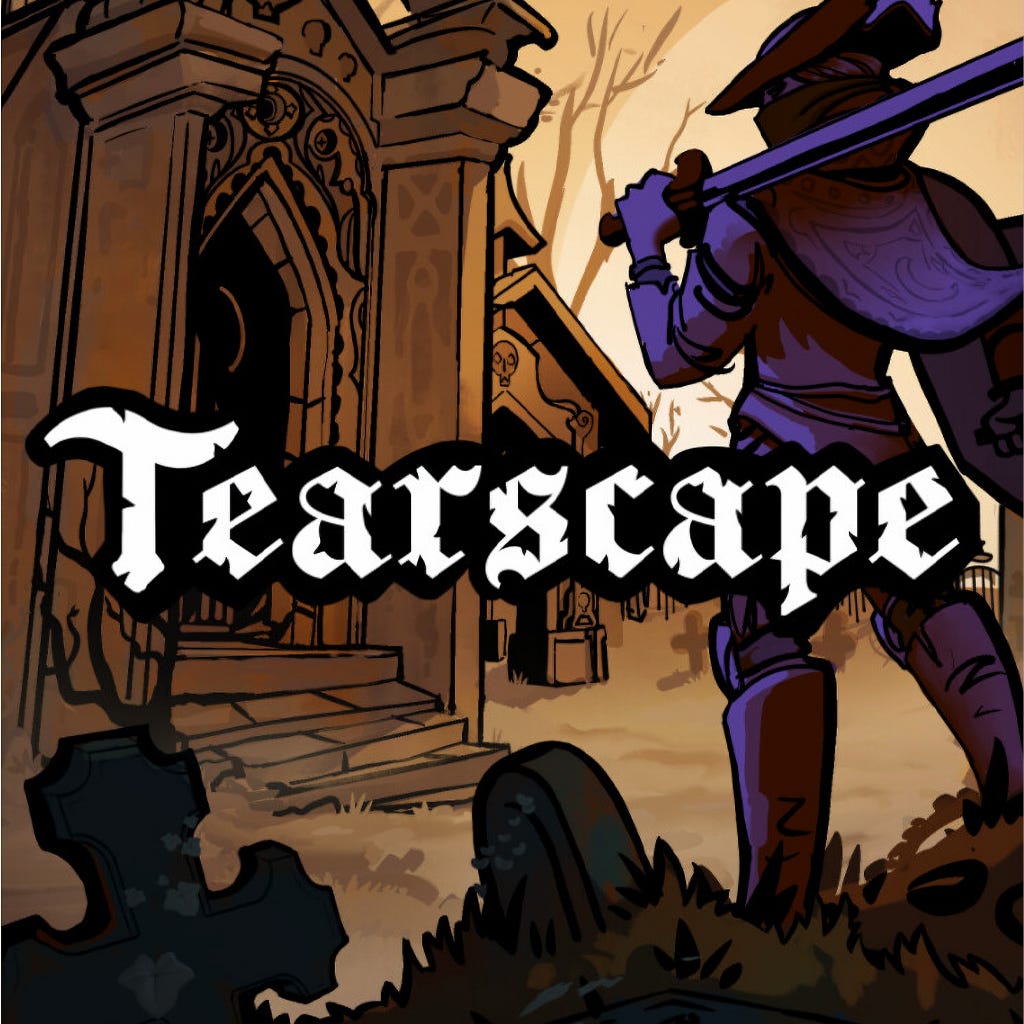
Tearscape, developed and published by NERDS TAKE OVER, is a gothic-inspired 2D top-down action-adventure that marries the intensity of classic Game Boy Color titles with modern design sensibilities. From the moment you step into its shadowed world, it’s clear that this isn’t a casual stroll through a pixelated landscape. The game demands attention, precision, and patience, rewarding players who are willing to learn its intricacies and explore every nook of its interconnected map.
In an era saturated with sprawling 3D action RPGs, Tearscape boldly embraces minimalism, letting gameplay systems, atmosphere, and exploration carry the weight of immersion. For fans of challenging, methodical combat and gothic storytelling, this title offers a compelling alternative to more mainstream fare.
Gameplay
At the heart of Tearscape is combat that feels deliberate and exacting. Every strike, dodge, and parry matters. The stamina management system forces you to carefully consider each swing, and healing flasks are limited, making every encounter a tense dance between aggression and caution. Enemies are grotesque, varied, and often unpredictable, requiring players to observe patterns and time their attacks with precision.
Character progression is satisfying, allowing you to upgrade stats that complement your preferred playstyle. Whether you want to tank through foes or focus on agility and speed, the game accommodates multiple approaches. Unlockable abilities and tools found in hidden dungeons enhance not only combat but exploration, creating a sense of growth that feels earned rather than handed to the player.
Exploration is equally rewarding. The non-linear, interconnected map is packed with secret paths, hidden dungeons, and branching routes. Players who take the time to search every corner are rewarded with powerful items, unique abilities, and shortcuts that can make subsequent journeys more manageable. The map’s design encourages curiosity while maintaining a sense of foreboding: one wrong step can lead to a dangerous encounter that tests your combat mastery.
Combat and Boss Design
Boss encounters in Tearscape are standout moments. Each boss is a massive, grotesque creature, often born from the game’s dark experiments and lore. These fights demand strategic thinking: timing, positioning, and mastery of your abilities are essential to survive. Unlike standard mob encounters, bosses feel like events. Their telegraphed moves allow for careful planning but punish mistakes severely, heightening tension and satisfaction when you finally claim victory.
Standard enemies are equally memorable. From minor abominations to larger, menacing monsters, every foe is designed to challenge your stamina, resource management, and decision-making. Combat never feels repetitive because each enemy introduces unique movement patterns, attack telegraphs, and environmental interactions.
Exploration and World-Building
Tearscape’s world is atmospheric and intricately designed. Its gothic aesthetic, rendered in detailed pixel art reminiscent of Game Boy Color classics, conveys a sense of decay and danger. Lighting and environmental cues guide players subtly, highlighting paths and secrets without overtly holding their hand.
Dungeons are key highlights, offering layered challenges, puzzles, and treasures that encourage players to experiment with their abilities. Secret areas, hidden shortcuts, and branching routes reward players for diligence and exploration. The game’s pacing—balancing tense combat with discovery—keeps the experience engaging across dozens of hours.
The world’s NPCs add additional depth. Some offer guidance, others present side quests, and a few conceal hidden agendas. Interacting with these characters adds layers to the story, creating a sense that the world exists independently of the player’s actions, even in a tightly focused 2D environment.
Visuals & Audio
Graphically, Tearscape excels within its retro framework. The pixel art is meticulously detailed, conveying gothic horror and atmosphere through clever use of shadow, color, and environmental storytelling. Characters and enemies are expressive within the constraints of a top-down view, while animation frames are fluid enough to keep combat readable and responsive.
Sound design amplifies tension. Each swing of a sword, grunt from an enemy, or ominous environmental noise reinforces the game’s oppressive, eerie mood. The soundtrack is subtle but effective, enhancing exploration and combat without ever becoming intrusive.
Longevity
Tearscape has strong replay value. The combination of non-linear progression, hidden dungeons, and unlockable abilities ensures multiple playthroughs feel fresh. Additionally, the challenge level is high, but balanced enough that mastery is satisfying rather than frustrating. Players who enjoy methodical combat, exploration, and careful resource management will find themselves returning to this world repeatedly.
Pros
- Challenging and precise combat
- Deep exploration with non-linear maps
- Richly detailed pixel art and gothic atmosphere
- Rewarding boss encounters and enemy variety
- Hidden dungeons and secrets enhance replayability
- Strong progression and ability upgrades
Cons
- Steep learning curve may frustrate newcomers
- Limited hand-holding for exploration and combat mechanics
- Can feel punishing at times without preparation
Verdict
Tearscape is a gothic gem for players who relish precision, strategy, and exploration. It successfully blends fast-paced combat with methodical resource management, rewarding careful play and thorough exploration. While it can be punishing, the sense of accomplishment after conquering a difficult dungeon or boss encounter is immense. Fans of retro-inspired action-adventures will find much to love here, and the game’s secret-laden, interconnected world keeps the experience fresh and engaging.